Focus diagnosis & training for coaching institutes
Hardworking student.
Falling marks.
No one can explain why.
Same class. Same teacher. Same hours. Yet some students score — and some don’t. The gap isn’t effort — it’s attention span. We measure where it breaks, and fix it.
30-student controlled trial · aviation-grade vigilance tasks · no periods, no faculty added
Attention capacity — change after 3 weeks
30 students · randomised control-group design
Trained cohort
+17.7% ↑
Within the same 3 weeks
4 mock scores ↑ 15–40%
Raw, anonymised experiment data is available to serious institutes on request.
Experiment result
30 students · randomised control group · doctor-led · 2026
Why marks fall — the part nobody tests
It isn’t laziness. It’s the ATTENTION.
Every night, hours of 15-second videos retrain a student’s brain. By morning, that training walks into your classroom.
Attention span shrinks
The brain learns to switch — not to stay.
The marks
Memory weakens. Lessons stop sticking.
Mock scores fall.
The mind
Sleep breaks first. Mood and confidence follow.
The will to study fades.
Both lanes begin at the same screen — and everyone blames effort.
Engineered to hold attention
▼ Attention span, year after year
Every feed. One target: your students’ attention.
The protocol — four weeks, inside your timetable
A doctor-led programme, built on instruments hospitals and research labs have trusted for decades.
Week 1
The Focus Scan
Every student measured — online or offline, inside normal study hours. Your timetable doesn’t move.
Week 1
The findings
Where each student’s marks are leaking, in one clear profile — personally reviewed by a doctor before it reaches you.
Weeks 2–4
The training
Run by us, not your faculty. 60 seconds a day per student — in our trial, the first results showed inside three weeks.
What India’s institutes measure
Progrowsis was built to be the first.
Before we said that, we searched for a precedent. There isn’t one.
The rank formula.
You already own half of it.
Your teaching was never the bottleneck. What reaches the student is.
Attention
Attention span × memory — the bandwidth nobody measures.
Your coaching
Already excellent. Not the problem.
Top ranks
The output parents pay for.
We fix the first term. You own the rest.
The evidence
One group trained. One left untrained.
Three weeks apart.
Raw footage — recorded during the study
Filmed inside the controlled trial described below.
Untrained control group. Students do not outgrow attention leaks on their own.
Trained cohort — with four students raising their actual mock scores by 15–40% inside the same three weeks.
Full statistics — p-value, effect size (Cohen's d), per-student traces — are shown in the week-four correlation report.
The design — 30 students, split at random
The only difference between them was the training.
The explanation their parents had waited years for took one short check to find.
Before anything else
Does a 20-minute check actually map a student's attention?
The students answered it themselves.
This is not a quiz. It is the class of instrument aviation authorities use to certify a pilot is alert enough to fly — pointed at your students.
Pilot alertness check
Student Focus Scan
A timer is easy to build. A clinical baseline isn’t.
What one Focus Scan measures
Attention span
Can the student hold focus across a full problem set — or does it decay by minute twelve?
Distraction control
How much accuracy is lost when something else competes for the student's attention.
Memory
How many steps of a multi-part problem stay live in the head at once.
Mental fatigue
The silent blanks — moments the student is looking at the page and processing nothing.
Mock-score proof
The marks she came with. The marks she left with.
Shailja, UPSC aspirant. Her official record and mains booklet — before she joined. Her practice dashboards — after the attention training. Highlights ours — marks hers.
Before she joined · January – April 2026
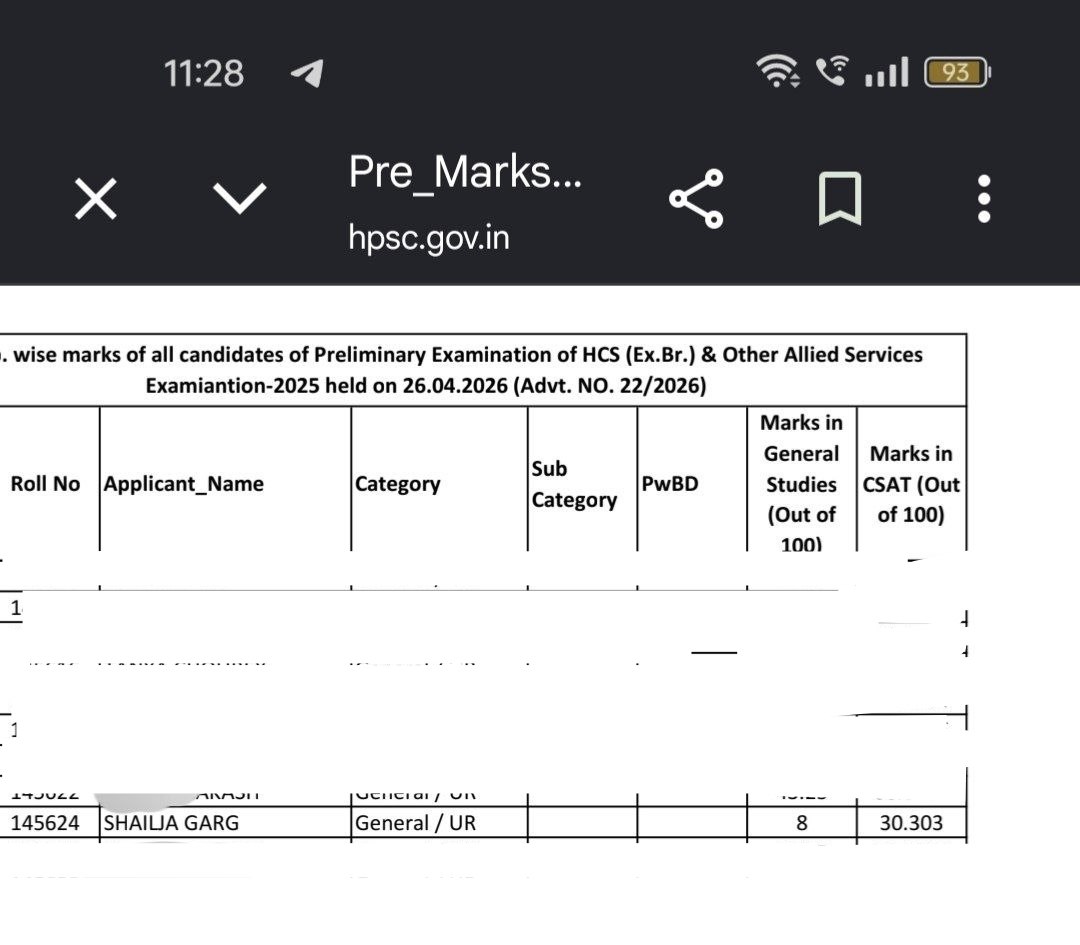
Official prelims record (hpsc.gov.in) — General Studies: 8/100
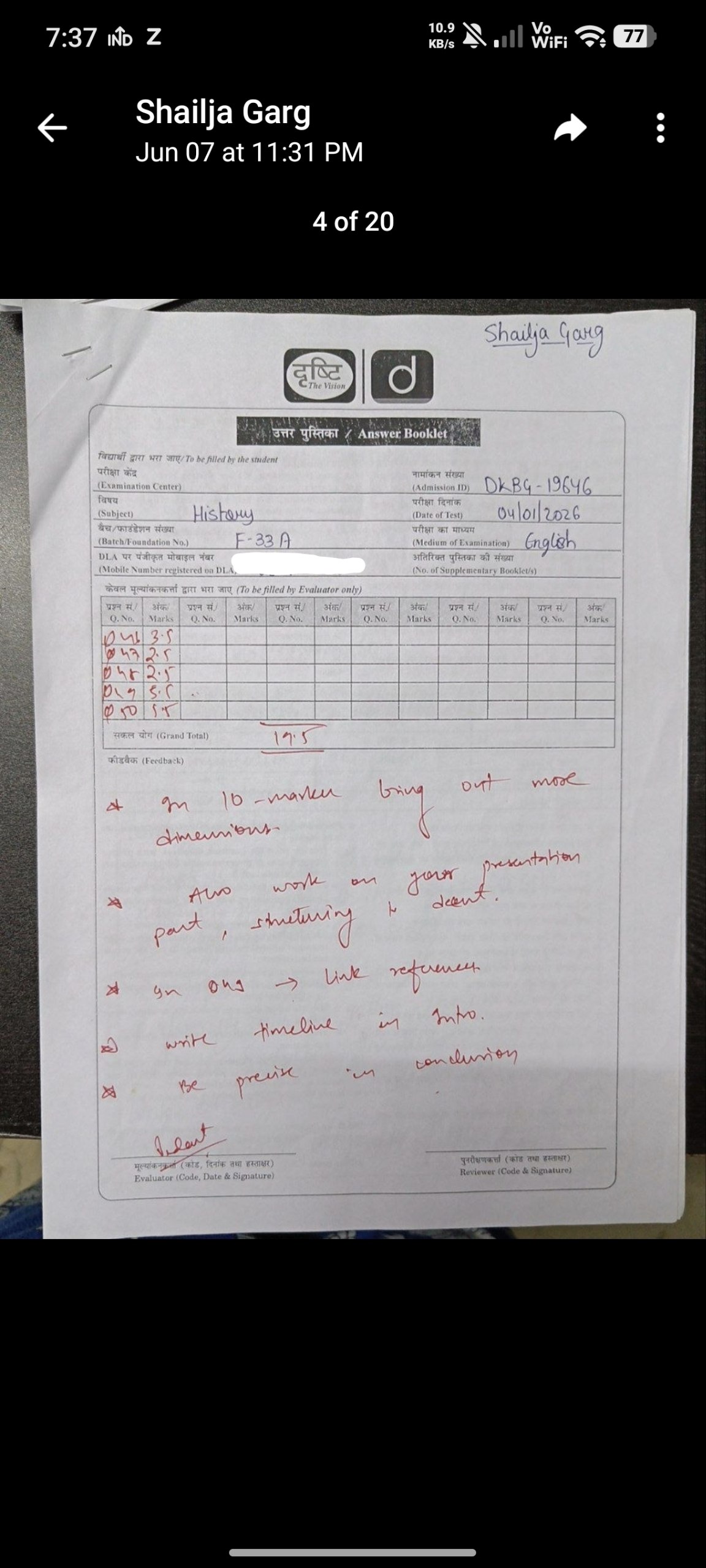
Mains booklet — grand total 19.5, red ink everywhere
Then she joined
Four weeks of attention training
60 seconds a day, inside study hours
After the training · June 2026
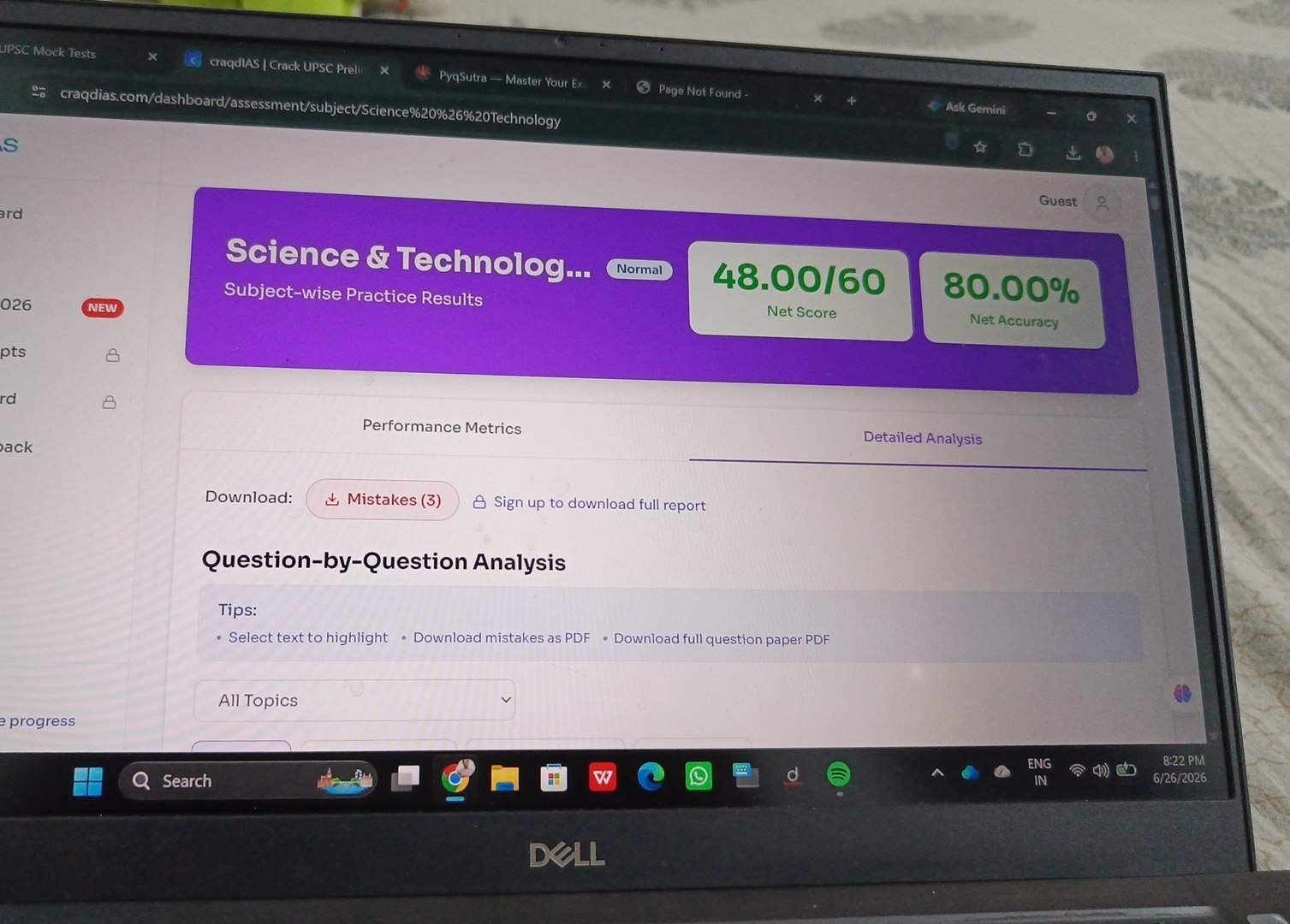
26 June — 48/60 · 80% accuracy
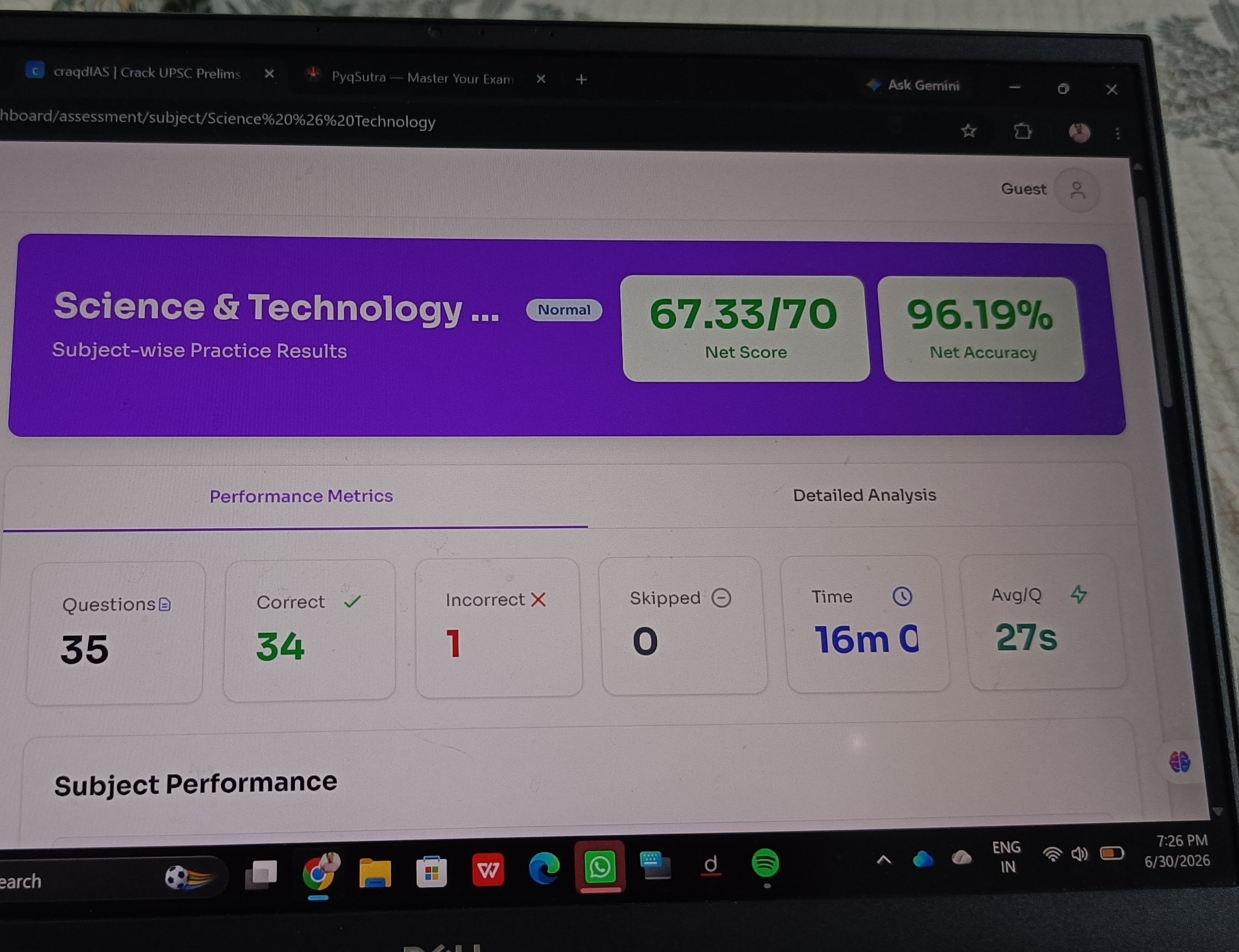
30 June — 67.33/70 · 96.19% accuracy
In their own voice
You saw the marks. Now hear it from the students.
The counselling room
‘Why did his marks fall, sir?’
Yours will hand over the answer.
Every counsellor dreads that question. The monthly report — your logo on top — turns ‘he must concentrate more’ into a plan a parent can hold in their hands.
powered by Progrowsis
Student: A. Sharma · Batch 11-B
Report period: 4 weeks
This month's plan
Move numericals to the first 40 minutes of the evening session. Re-check in 4 weeks.
Sample report — illustrative data
For your institute
Three numbers your institute already runs on.
Admissions
The only institute in your city that can show parents scientific focus tracking — in your counselling room, under your logo.
Retention
When focus falls, marks fall weeks later — and then the student leaves. We flag it at the focus stage. One saved admission pays for 200+ tested.
Results
Stop revising the wrong problem. Our checks tell you whether a student needs more physics — or a different schedule.
One institute in your city will be first to show parents focus reports.
The rest will explain why they don't have them.
Terms of entry
- 1Four weeks. One batch.
- 2Success metric agreed in writing before we start.
- 3At cost.
- 4Zero timetable disruption — no extra periods, no faculty time, no parent-billed extras.
- 5Week four: correlation report — focus data against your mock scores.
One institute per city, per intake. No pricing on this page — the economics are agreed per institute, in writing, before anything starts.
Raw, anonymised trial data is available to serious institutes on request.